Accredited settings

Sensory-First Beauty®️ Accredited Salons

Accredited salons commit to creating safe, welcoming and sensory-aware environments where every client feels respected, understood and in control.

Why become accredited?

Accreditation demonstrates your commitment to inclusive, sensory-aware practice — helping you serve more clients and learners responsibly, build trust with education partners, and appear on the Sensory-First Beauty®️ Accredited Directory.

Who can apply?

Beauty salons, hair salons and barbers, schools, colleges, universities, SEND schools, alternative provision, independent training providers, apprenticeship providers, adult learning providers and employers offering work experience or supported internships.

Accredited salons will:
  • Provide calm, low-stimulation treatment environments.
  • Deliver treatments using the Sensory-First Beauty®️ Framework.
  • Adapt appointments to individual sensory profiles and communication needs.
  • Promote accessibility, dignity, consent, choice and inclusion.
  • Support clients experiencing anxiety, neurodiversity, disability or sensory sensitivities.
  • Maintain high professional standards while delivering personalised experiences.
  • Partner with schools, colleges and educational providers to support learner development.
  • Offer accredited work placements and supported transition opportunities for Post-16 learners.
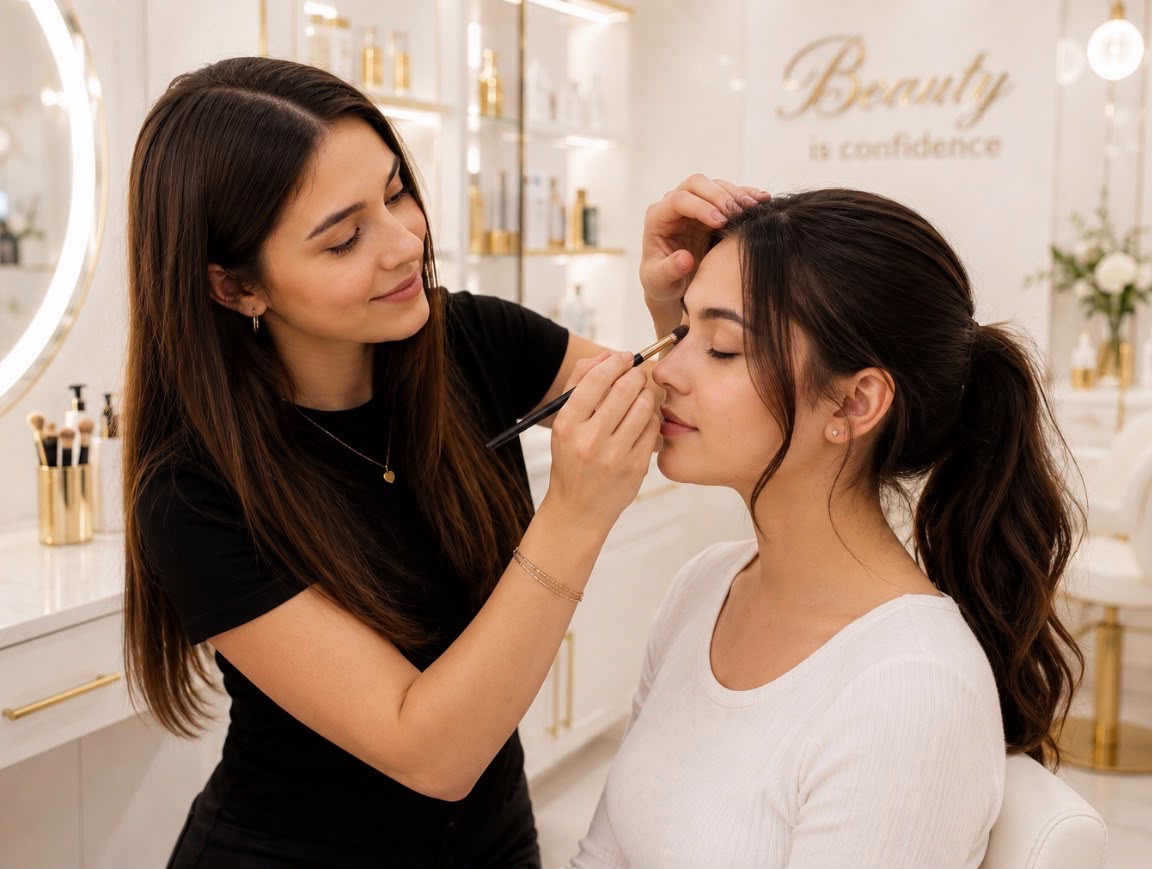
Sensory-aware makeup application in a calm salon setting
Calm beauty practice
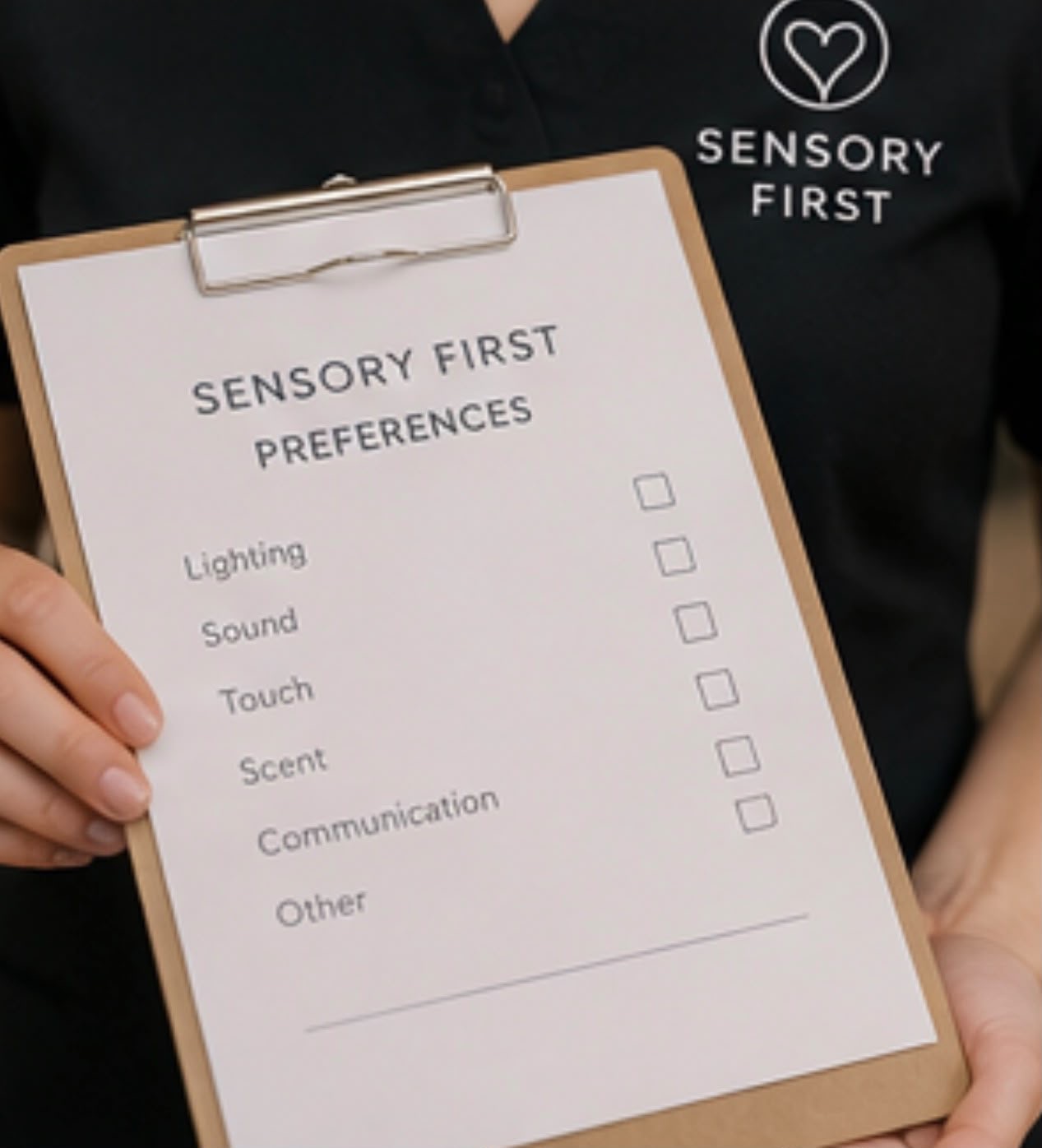
Sensory First preferences checklist held by practitioner
Client preferences recorded
Sensory First inclusive community message displayed in salon
Inclusive community promise

Pre-16 Education Accreditation (Ages 4–16)

Designed for primary schools, secondary schools, alternative provision and specialist education settings.

The programme complements the curriculum and EHCP outcomes by developing life skills, emotional wellbeing and sensory awareness alongside age-appropriate beauty and wellbeing education.

Learners will develop:

  • Self-awareness and understanding of their own sensory profile.
  • Self-regulation strategies for education, home and social environments.
  • Emotional resilience and confidence.
  • Communication and relationship skills.
  • Independence and decision-making.
  • Personal hygiene, skincare, haircare and self-care routines.
  • Understanding of puberty, hormones, body changes and emotional wellbeing.
  • Respect, consent and professional boundaries.
  • Practical wellbeing and beauty skills.
  • Confidence adapting to new routines, people and environments.
  • Preparation for transitions between year groups, schools and future education.

Programmes are delivered within educational settings alongside core learning and personalised learning outcomes.


Sensory-First Beauty®️ Accreditation

Designed for Beauty Therapy, Hairdressing, Barbering, Spa, Aesthetics and Wellbeing departments.

The accreditation complements existing vocational qualifications by embedding sensory awareness, inclusive practice and workplace readiness throughout the learner journey.

Colleges will:

  • Create calm, sensory-aware learning environments.
  • Support learners with SEND, EHCPs and additional learning needs.
  • Embed sensory awareness alongside vocational qualifications.
  • Adapt teaching methods, assessments and practical sessions.
  • Promote independence, confidence and professional behaviours.
  • Develop communication and client-centred consultation skills.
  • Teach learners to understand both their own sensory needs and those of future clients.
  • Prepare learners for supported internships, work placements and employment.
  • Work alongside Sensory-First Beauty®️ Accredited Salons to provide structured workplace experiences.

Accredited Salon Placements (Post-16)

The accredited placement programme bridges education and employment through supported workplace experiences within Sensory-First Beauty®️ Accredited Salons.

Placements are designed to reduce anxiety, increase confidence and allow learners to transition gradually into professional environments.

Learners will:

  • Gain practical salon experience with real clients.
  • Transition into workplaces at a pace suited to their sensory needs.
  • Apply college learning within supported salon environments.
  • Build confidence adapting to new people, routines and expectations.
  • Develop customer service and communication skills.
  • Learn professional salon standards and workplace etiquette.
  • Experience teamwork and collaborative working.
  • Develop time management and organisational skills.
  • Receive personalised sensory support throughout placements.
  • Build confidence towards apprenticeships and employment.

Accredited Placement Salons will:

  • Provide safe, inclusive and supportive placements.
  • Work closely with colleges, tutors and support staff.
  • Make reasonable sensory adjustments.
  • Provide mentoring and constructive feedback.
  • Encourage confidence, independence and professional growth.
  • Support gradual transitions into employment.

Employment & Professional Accreditation

Supporting businesses and professionals to maintain inclusive practice beyond qualification.

Accredited professionals commit to:

  • Continuing professional development.
  • Delivering person-centred consultations.
  • Adapting treatments and communication.
  • Creating accessible working environments.
  • Promoting equality, diversity and inclusion.
  • Supporting colleagues and future learners.
  • Championing sensory-aware practice across the beauty industry.

Training Pathway

Foundation Accreditation

Introduction to:

  • Sensory processing.
  • Neurodiversity awareness.
  • Creating calm environments.
  • Inclusive communication.
  • Client-led care.
  • Professional boundaries.
  • Health, safety and safeguarding.

Advanced Accreditation

Develop advanced knowledge in:

  • Complex sensory profiles.
  • Trauma-informed practice.
  • Environmental adaptations.
  • Sensory assessment.
  • Personalised treatment planning.
  • Behaviour as communication.
  • Case studies and reflective practice.
  • Leadership within inclusive settings.

Specialist Accreditation Pathways

  • Early Years
  • Primary Education
  • Secondary Education
  • Alternative Provision
  • Post-16 & Colleges
  • Accredited Salon Placements
  • Adults
  • Care Homes
  • Community Wellbeing Services
  • Educator & Tutor Accreditation
  • Accredited Salon Mentor

Benefits of Accreditation

Accredited organisations receive:

  • Sensory-First Beauty®️ Accreditation Certificate.
  • Digital Accreditation Badge.
  • Listing on the Sensory-First Beauty®️ Accredited Directory.
  • Annual CPD updates.
  • Access to educational resources and guidance.
  • Marketing materials and branding support.
  • Networking opportunities with accredited settings.
  • Ongoing quality assurance and best-practice support.
Accreditation confirms awareness, training and environment suitability. It is not a medical or therapeutic qualification.

The Accreditation Journey

Step 1 – Application & Readiness Review

Organisations complete an application outlining:

  • Their setting and services.
  • Current inclusive practices.
  • Accessibility.
  • Staff experience.
  • Future goals for sensory inclusion.

Step 2 – Sensory-First Training

Leaders, tutors, teachers and staff complete specialist training covering:

  • Sensory processing differences.
  • Emotional regulation.
  • Autism, ADHD and SEND awareness.
  • Trauma-informed approaches.
  • Communication strategies.
  • Reasonable adjustments.
  • Inclusive customer and learner care.
  • Safeguarding.
  • Building confidence and independence.
  • Supporting successful transitions between education, placements and employment.

Step 3 – Environment Assessment

Each organisation is guided through creating an inclusive sensory environment by reviewing:

  • Lighting
  • Noise levels
  • Smells and fragrances
  • Waiting and reception areas
  • Treatment rooms or classrooms
  • Quiet regulation spaces
  • Accessibility
  • Signage and visual supports
  • Sensory regulation equipment
  • Flexible routines and choice

Step 4 – Practical Assessment

Staff demonstrate their ability to:

  • Adapt learning or treatments.
  • Recognise sensory overload.
  • Support emotional regulation.
  • Communicate using person-centred approaches.
  • Reduce anxiety.
  • Promote independence, dignity and informed choice.
  • Adapt confidently to different individuals and environments.

Step 5 – Accreditation Awarded

Successful organisations receive:

  • Sensory-First Beauty®️ Accredited Certificate
  • Digital accreditation badge
  • Window sticker or plaque
  • Marketing toolkit
  • Website listing
  • Ongoing professional support
  • Permission to display the Sensory-First Beauty®️ Accreditation mark

Step 6 – Continuous Quality Assurance

To maintain accreditation organisations complete:

  • Annual CPD updates.
  • Refresher training.
  • Quality reviews.
  • Best practice updates.
  • Re-accreditation every 2–3 years.

This ensures standards continue to evolve with current research and best practice.

Accreditation Levels

🥉 Bronze

Core staff trained with fundamental sensory-aware practices and inclusive environments established.

🥈 Silver

Most staff trained with sensory approaches embedded into everyday learning, teaching or client care.

🥇 Gold

Whole-organisation commitment with advanced sensory practices, leadership and continuous improvement.

💎 Centre of Excellence

Recognised leaders in sensory-inclusive practice who mentor other organisations, support school, college and SEND partnerships, offer supported internships and work placements, help shape future best practice, and champion inclusive employment opportunities.

Building a National Sensory-First Network

Our long-term vision is to create a nationally recognised network of Sensory-First Accredited organisations, providing consistent, high-quality support across:

  • Beauty salons
  • Hair salons and barbers
  • Schools
  • Colleges
  • Universities
  • SEND schools
  • Alternative provisions
  • Independent training providers
  • Apprenticeship providers
  • Adult learning providers
  • Employers offering work experience, supported internships and employment

By following the same Sensory-First standards, organisations can provide seamless support as individuals transition from education into training, work placements and employment, ensuring every stage is personalised, inclusive and centred around the individual’s strengths, sensory needs and aspirations. This creates a clear pathway where inclusion, confidence and independence remain at the heart of every experience.